Category: Uncategorized

Baked eggplant and tomato

Looking for healthy recipes? Try this delicious baked eggplant and tomato dish. Serve with rice or fresh, crusty bread.


Ingredients (serves 4)

  • 1 tbsp olive oil

  • ½ red onion, sliced

  • 1 tbsp garlic, crushed

  • 1 eggplant, cut into strips

  • ½ cup Italian tomato sauce

  • 1 tomato, diced

  • 1 tbsp fresh flat leaf parsley, chopped


Method


Heat a saucepan on moderate heat and add oil. Add onion and garlic in the saucepan and cook until transparent. Add the eggplant and cook for about five minutes. 


Place the tomato sauce and tomato into the saucepan and cook for a further three minutes. Place all ingredients into an ovenproof dish in a 180ºC pre-heated oven and cook for 30 minutes.


Once cooked, remove oven dish from the oven and top with chopped parsley and serve with rice, pasta or bread.  


Recipe from Light & Delish


{nomultithumb}


How to avoid bloating

Feeling bloated? Healthy gut bacteria is KEY to avoiding a bloated stomach.

Fix: Probiotics (lactobacillus acidophilus/bifidobacterium)

Healthy gut bacteria are essential in helping the body to fight viruses and infection as well as absorb nutrients from our foods and prevent allergies.

Regular antibiotic use, alcohol and caffeine consumption, and diets high in processed foods all contribute to bad bacteria. Signs of an imbalanced gut microflora include: bloating, flatulence, abdominal pain, diarrhoea, constipation and candida. The word probiotic means ‘for life’. Naturopaths have always credited the gut as being the centre of immunity, but with solid research putting the case for probiotics, now mainstream health pros are cottoning on.

What You Need: You’re not going to end up in ICU with an acidophilus overdose, but the usage directions are a good guide. If ever you’re going to have a bash at probiotics, make it while you’re on antibiotics, which act like a cockroach bomb, knocking out the good bacteria as well as the bad.

Eat It: Fermented foods and natural yoghurt.

BFFs: Fibre, fish oils and other probiotic strains. Take with food to increase the survival of micro-organisms.

Avoid It: Antibiotics. Make sure if you are taking probiotics, then you take them well away from any antibiotic medication. If you’re on the old antis, leave hours between taking each of them.

NEXT: 10 tummy flattening foods>>

Amanda Ford is a Sydney-based nutritionist and writer.

{nomultithumb}


6 healthy winter soups

Healthy soup ideas that will keep you warm this winter.

Chicken soup recipe - Healthy winter soups - Women's Health & Fitness

Chicken soup

Ingredients
1 potato, washed, peeled and cubed
½ onion diced
1 litre of chicken stock
6 small chicken drumsticks with skin off
2 ripe tomatoes, chopped and deseeded
2 tbsp of fresh chopped Continental Parsley
Fresh ground black pepper
Spray olive oil

Method
Put large saucepan on a low heat and spray with oil. Add onion, cook until translucent, stirring constantly. Then add the chicken stock and drumsticks.

Finally, add all vegetables, bring to the boil on high heat and then simmer on low heat for 1 hour.

Serves 6.
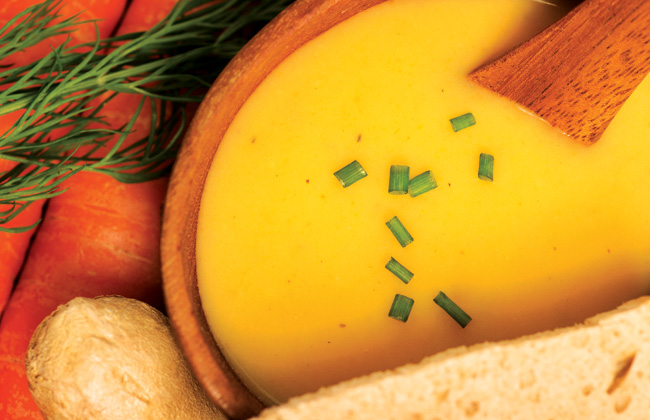

Carrot soup recipe - Healthy winter soups - Women's Health & Fitness

Curried carrot soup

Ingredients

  • 1 tbsp coconut oil (or butter or olive oil)
  • 1 cup diced onion
  • 1 tsp fresh ginger, finely grated
  • 1 1/2 tsp. sea salt
  • 2 tsp curry powder
  • 900 g carrots, peeled and chopped
  • 1 large apple, peeled, cored, and cut into chunks
  • 400ml can of coconut milk
  • 4 cups water, plus more if soup is too thick

To garnish:

  • Chopped coriander
  • Plain yoghurt

METHOD
In a large pot over medium-low heat, melt the coconut oil. Add the onion and sauté with the ginger, salt, and curry powder, stirring frequently until the onions are soft and translucent, about five to 10 minutes.
Meanwhile, peel and chop the carrots and apple. When the onions are soft, add the carrots and apple, and continue to sauté for a few more minutes. Add the coconut milk and water to the pot and increase the heat. Bring the soup to a boil and then reduce to a simmer.

When the carrots and apple are soft, after 20 to 30 minutes of simmering, purée the soup until smooth using either a blender or an immersion blender. If using a blender, only fill the canister halfway and purée in batches to prevent the hot soup from splattering. Removing the middle part of the blender lid and placing a clean dish towel or paper towel over the hole while blending is recommended. This will allow the steam to escape.

If the soup is too thick, add warm water until you reach your desired consistency. Serve with a dollop of plain yoghurt and chopped coriander. The tartness of the yoghurt nicely balances the sweetness of the carrots and apples in the soup.

KJ: 585; FAT: 9.3g; CARB: 9.1g; PROTEIN: 2.1g

Find this recipe in The Mystic Cookbook 
by Denise Linn and Meadow Linn
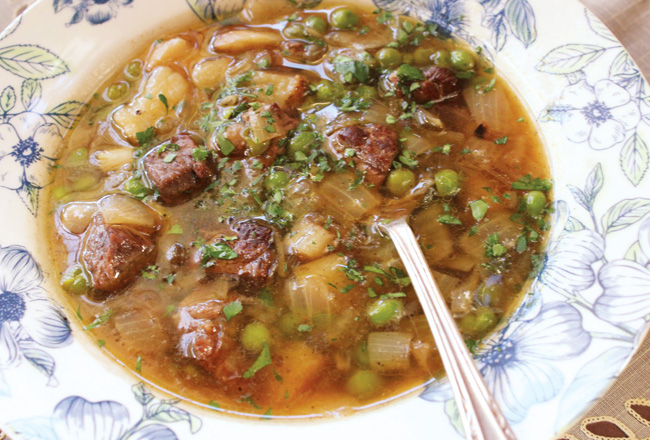

Zuppa recipe - 6 healthy winter soup ideas - Women's Health & Fitness Zuppa of fried potato, braised beef and green beans

Dominique Rizzo’s love affair with this little number derives from her nonna, who regularly whipped up this “poor man’s soup, using only three ingredients”. But don’t let the simplicity of this cheap and cheerful dish make you think it’s light on nutrients or flavour.

“The small amount of olive oil and the use of no stock but water means it’s low in sodium,” explains Rizzo. And, of course, the braised beef ticks the box for protein intake. “Protein is really important for building muscle, feeding the body and giving you energy,” says Rizzo.

The slow-cooked beef makes a change from regular dinner time protein sources, Rizzo says. “Any meat that is slow-cooked or cooked until tender is better and easier for us to digest, making it beneficial for our digestion and easier to process.”

Ingredients (serves 4)

  • 2 tbsp olive oil

  • 1 onion, diced

  • 300 g potatoes, peeled and cut into 11⁄2 cm cubes

  • 400 g stewing beef or chuck steak, cut into 11⁄2 cm cubes

  • 1.5 L water

  • Sea salt and freshly ground black pepper

  • 1⁄2 cup green peas, lightly smashed with a fork

  • 1/4 cup roughly chopped parsley

Method

Heat the olive oil in a large saucepan or heavy-based flameproof casserole dish over medium heat and fry the onion for three to four minutes or until translucent. Transfer the onion to a bowl with a slotted spoon and set aside.

In the same pot, fry the potatoes in batches until golden and crispy; try not to overcrowd the pan as the potatoes will stew, not brown. Remove the potatoes from the pot and set aside with the onions. Add the beef to the pan and fry over high heat for seven minutes until browned and the base of the pot has started to caramelise. Add the water, then season with salt and lots of pepper. Bring the water to the boil, cover and reduce the heat to a simmer for 30 minutes.

Return the onion and potato to the pan and simmer for a further three to four minutes until the potatoes are tender. Add in the smashed peas and simmer for two to three minutes. Serve garnished with the chopped parsley.

Recipe from My Taste of Sicily by Dominique, $39.95, Penguin.


 Ham and lentil soup recipe - Healthy winter soups - Women's Health & Fitness


Ham, lentil and veg soup

Adding a bit of curly-tailed meat to this dish is a great way to enjoy a full-flavoured soup. (It’s a great source of protein.) Combined with the vegetables, lentils and tomatoes, this soup is “low in fat, high in protein and extremely versatile”, says Dominique Rizzo, author of cookbook My Taste of Sicily.

It can also help to keep blood sugar on the level. “The lentils can really help you balance blood sugar levels while providing steady, slow-burning energy; they can also increase your energy by replenishing your iron stores,” Rizzo says. 

According to the pure food lover, this is why lentils have become the cool kid of the nutrition gang. “Their health benefits are why they have become so popular for anyone wanting to watch their weight, vegetarians and pregnant women.”

Ingredients (serves 6-8)


For the stock

  • 1 ham bone
  • 2 roughly diced onions
  • 2 stalks of celery
  • 8 to 10 peppercorns
  • 1 carrot roughly diced

For the soup base

  • 2 tbsp olive oil
  • 1 onion, diced
  • 2 cups of diced ham extra (optional)
  • 1/2 red capsicum, diced
  • 1/2 bunch silverbeet, stalks trimmed and diced and leaves chopped
  • 2 cloves garlic, crushed
  • 2 tomatoes, diced
  • 3/4 cup red lentils (optional)
  • Good pinch mixed herbs
  • Ham stock
  • Salt and pepper
  • Parsley to finish

METHOD
Place the ham bone, onion, celery, carrot and peppercorns into a pot together and cover with water making sure that the bone is covered. Bring to a boil, then reduce the stock to a simmer and simmer for two hours or until the meat starts to fall off the bone. Allow the stock to cool slightly before straining out the vegetables.

Remove all the meat from the bone and set aside with the broth for the soup. Pour the oil into the same pot and sweat off the onions and extra ham for three minutes. Add in the capsicum and silverbeet stalks and stir again until softened.

Add in the garlic and the tomatoes and pour in the stock, bring to a simmer and cook for 15 minutes. Add in the lentils, herbs and the chopped silverbeet and cook for a further 10 to 15 minutes until the lentils have softened. Season with salt and pepper and serve garnished with parsley.

KJ: 879; FAT: 9.3g; CARB: 3.6g; PROTEIN: 26.7g

Recipe from My Taste of Sicily by Dominique, $39.95, Penguin.


Chickpea and red pepper soup - Healthy winter recipes - Women's Health & Fitness


Chickpea and red pepper soup

Ingredients (serves 4)

  • 100 ml vegetable stock
  • 3 garlic cloves
  • 1 medium red onion, peeled and finely diced
  • 250 g potato, peeled and diced into 1⁄2 cm squares
  • 2 medium red capsicum/peppers, deseeded and diced into 1⁄2 cm squares to yield 2 cups
  • 1 medium carrot, peeled and finely diced
  • 4 cups diced ripe tomatoes (fresh)
  • 3 tbsp fresh sage, chopped
  • 1.5 L vegetable stock, home made
  • 1 1⁄2 cups tinned chickpeas, drained
  • Salt and freshly ground pepper
  • 1⁄4 cup flat leaf parsley, chopped
  • 1 tbsp extra virgin olive oil
  • 3 tbsp grated parmesan

Method
Heat a large, heavy-based saucepan and add the vegetable stock. Add the diced onions, chopped garlic and cook until softened.

Add in the potatoes, red capsicum, carrots, tomatoes and the sage along with the vegetable stock. Bring the stock to the boil and lower the temperature to cook the vegetables over a moderate heat for 15 minutes. Stir the vegetables constantly to stop any from sticking. You may need to add a little more stock if the soup seems too thick.

Season with salt and pepper. Add in the cooked chickpeas and cook for a further 10 minutes to combine them with the vegetables. Serve the soup with chopped parsley, and drizzle with olive oil and shaved parmesan.

Recipe from My Taste of Sicily by Dominique, $39.95, Penguin.


Fennel soup and gremolata - Healthy winter soups - Women's Health & Fitness


Fennel and lemon soup

Ingredients
Soup

  • 100 ml vegetable stock, home made

  • 6 spring onions or shallots

  • 250 g fresh fennel, trimmed, cored and thinly sliced ( medium-sized bulbs)

  • 250 g potato, peeled and diced

  • 2 tsp lemon juice

  • 750 ml vegetable stock, home made

Gremolata

  • 2 garlic cloves, finely chopped

  • 1⁄4 cup Italian flat leaf parsley, finely chopped

  • 10 kalamata olives, deseeded and chopped finely

  • 10 green olives, deseeded and chopped finely

  • 1 long red chilli, deseeded and finely chopped

  • 2 tsp lemon zest

  • 2 tsp orange zest

  • Salt and pepper

CLEANSING COOKING
Weeks of eating hearty, calorie-dense, carb-heavy comfort meals can leave you feeling sluggish. This soup, in particular, is a great solution to start afresh.

 “Fennel is a wonderful vegetable with a slight aniseed flavour; it is great for digestion and cleansing; lemons are the medicine of food and are perfect for cleansing the liver” says the chef. Given that lemons are an alkaline food, Rizzo says this soup is “perfect for anyone with slight stomach or digestion problems”.

To elevate this soup from merely cleansing to cleansing and tasty, Rizzo adds gremolata.

Traditionally a combination of garlic, parsley and lemon, Rizzo says this infusion of flavours turns this soup into a taste sensation. The gremolata can also be used again, in various other dishes: spoon it over vegies, use it as a marinade for meats or turn it into a salad dressing.

Recipe from My Taste of Sicily by Dominique, $39.95, Penguin.


{nomultithumb}


Prawn and mango salsa lettuce cups

A simple recipe that’s big on flavour!


Ingredients (serves 4)

  • 1 butter lettuce

  • 4 cooked king prawnsshelled and deveined

  • 1 mango

  • 1 small red chilli, deseeded and finely chopped

  • 1 tbsp finely chopped coriander

  • Juice of 1 lime

Method

  • Wash four large lettuce leaves and allow to dry. 

  • Chop prawns roughly and place in a bowl. 

  • Cut mango into cubes and add to bowl with prawns. Add chilli and coriander and mix together. 

  • Place equal quantities into lettuce cups, top with lime juice and serve. 

Recipe from Light & Delish


{nomultithumb}


Healthy fats are KEY to a good diet

Healthy saturated fats are KEY to a good diet, says doctor Anastasia Boulais.

Didn’t you get the memo? Fat is officially back. Anastasia Boulais is a medical doctor and spokesperson for the Ancestral Health Society of New Zealand, which considers healthy saturated fats to be important within a good diet.

“I prefer to steer people away from focusing on a single nutrient and encourage them to concentrate on real foods,” Boulais says.

“For example, eggs are vastly superior in nutritional value and keeping you full compared to industrially processed products like cereal.” According to Boulais, here’s a day’s healthy diet – non low fat-style.

Breakfast

Smoked salmon with scrambled eggs and avocado

OR

Omelette with ham, tomato and spinach

Morning/afternoon tea

“I believe that if you need snacks between meals you are not getting enough nutrition with your main meals,” says Boulais. “In no point of our evolution did our ancestors eat five to six meals a day. The reason why you are hanging out for your morning-tea office break is because you had high-sugar cereal and low-fat milk for breakfast.

Lunch

Beef mince fried in coconut oil with a side of green vegetables tipped with butter

OR

Leftover dinner meat with roast vegetables

Dinner

Baked fish with kale chips baked in coconut oil and salad

or

Lamb chops with sweet potato mashed with butter and two other vegetables

NEXT: 3 more reasons you should eat fat.

{nomultithumb}


10 winter feelgood foods

Don’t blame your blah mood on the rain. Winter misery might have more to do with what you put in your mouth. Here are 10 winter foods to boost your mood.

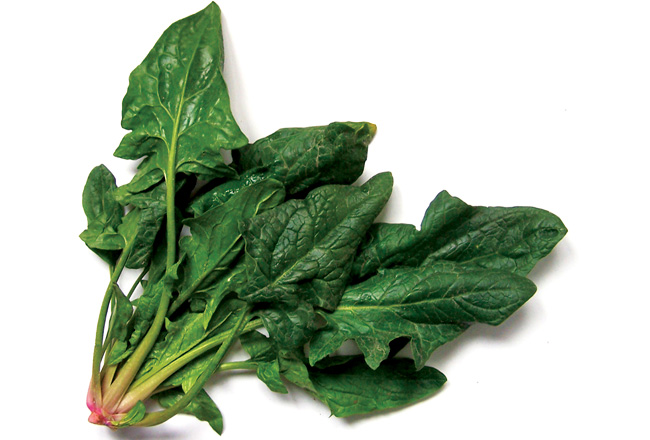
Spinach - 10 Winter Feelgood Foods - Women's Health & Fitness

Spinach: Containing folic acid, it helps to protect the brain. Low levels of folic acid can impair concentration

{nomultithumb}


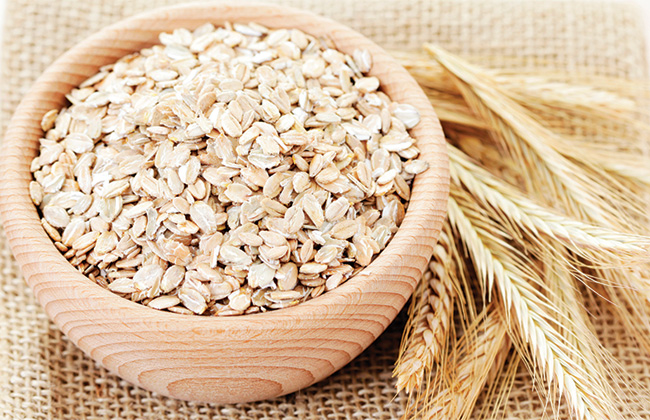
Oats- - 10 Winter Feelgood Foods - Women's Health & Fitness

Oats: Traditionally used to sooth nervous exhaustion and fatigue and jam-packed full of nutrients, oats also help reduce cholesterol, improving blood circulation to the brain.


Ginger - 10 Winter Feelgood Foods- Women's Health & Fitness

Ginger: Stimulates circulation and, according to traditional Chinese medicine, keeps the good chi flowing.


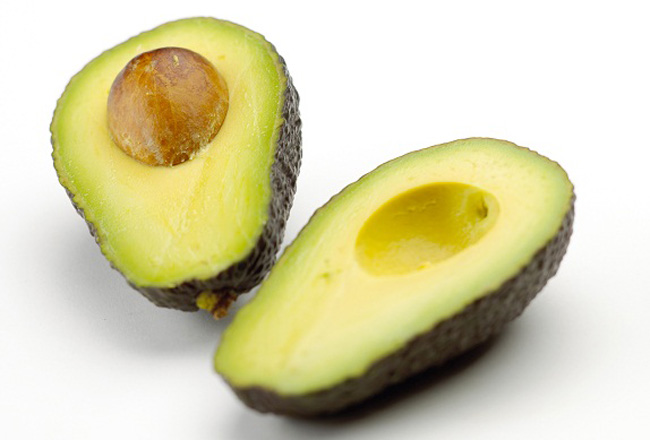
Avocado - 10 Winter Feelgood Foods - Women's Health & Fitness

Avocado: Rich in potassium, it promotes stamina. A deficiency may cause fatigue and 3 o’clock itis. 


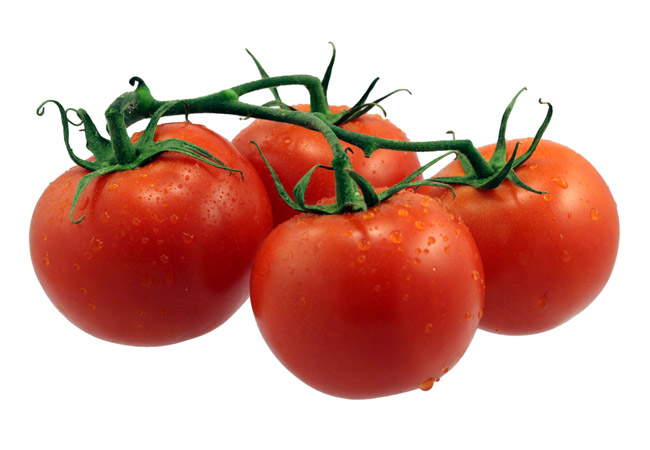
Tomato - 10 Winter Feelgood Foods - Women's Health & Fitness

Tomatoes: High in lycopene, an antioxidant necessary for optimum mental functioning and resilience.


Eggs - 10 Winter Feelgood Foods - Women's Health & Fitness

Eggs: A source of complete protein and powerhouse of neurotransmitter precursors, an egg is ideal within any meal.


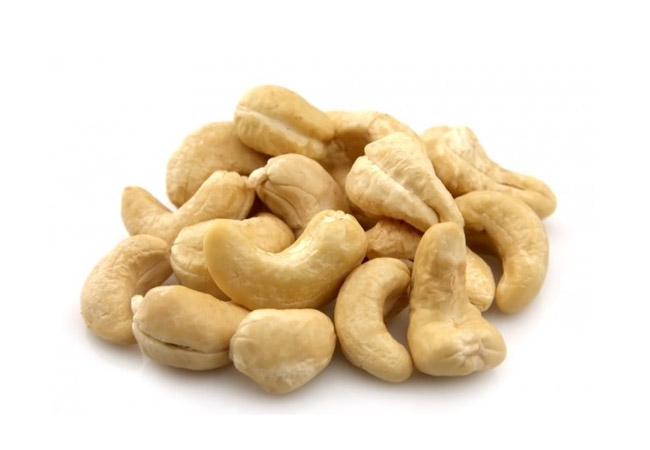
Cashews - 10 Winter Feelgood Foods - Women's Health & Fitness

Cashews: High in iron, cashews also contain some tryptophan and the other healthy brain fat –  omega-9.


Beans - 10 Winter Feelgood Foods - Women's Health & Fitness

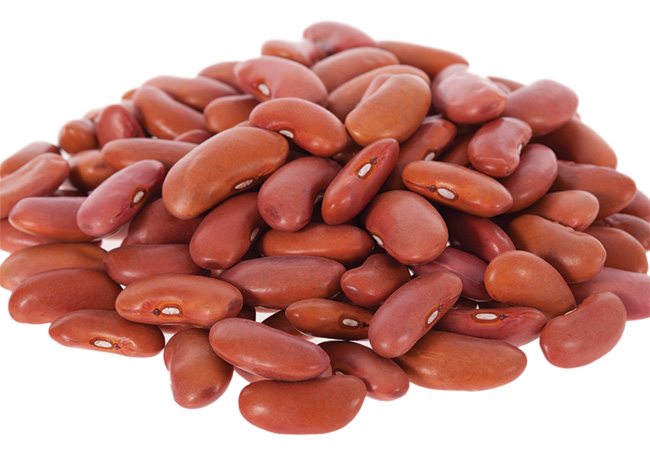
Beans: You can’t always hunt down wild protein for dinner, so utilise the vegetarian protein of choice, which is crammed full of nutrients, fibre and complex carbs.


Parsley - 10 Winter Feelgood Foods - Women's Health & Fitness

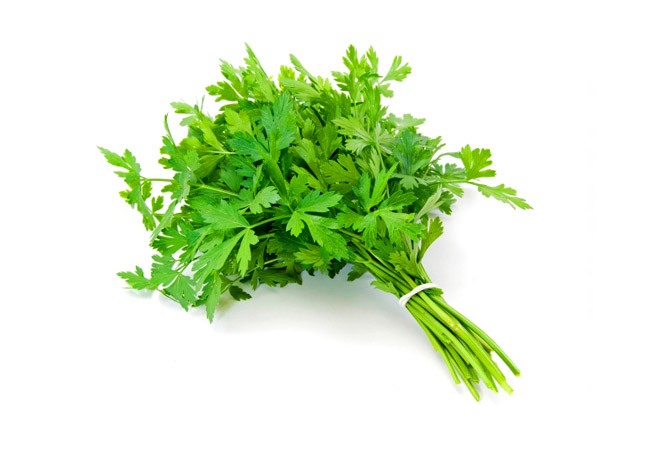
Parsley: The sprig that makes everything gourmet is a great mood-boosting addition, packed with B vitamins that promote better memory and mental alertness.


Dark Chocolate - 10 Winter Feelgood Foods - Women's Health & Fitness

Dark Chocolate: Contains magnesium, tryptophan and anandamide, a chemical produced by our brains when we are happy. It also increases mnotivation!


NEXT: 6 healthy winter soups>>

Coconut soup with seafood

Looking for healthy soup ideas? We love this low-fat coconut soup recipe.

It may smell like your favourite Thai takeaway, but don’t be fooled. Based on stock and coconut water, rather than coconut cream and oil, this aromatic broth is low in fat and KJs.

Ingredients (serves 4-6)

Time: 20 minutes

Cooking times: 25 minutes


  • 2 tbsp coconut oil

  • 1 large onion, finely chopped

  • 2 cloves garlic, crushed

  • 2 celery stalks and leaves, washed and cut into bite-sized chunks

  • 2 large carrots, cut into bite-sized chunks

  • 1 tbsp sliced ginger root

  • 1 tbsp sliced galangal root

  • 2 sticks of lemongrass, sliced

  • ½ head of broccoli, broken into florets

  • 2 zucchini (courgettes), sliced

  • 2 kaffir lime leaves, thinly sliced

  • Juice of two small limes

  • 500g fresh cleaned prawns, scallops, mussels or marinara seafood mix

  • 2 cups (500ml) frozen fish or seafood stock, thawed

  • 2 cups (500ml) pureed fresh young coconut flesh and water (puree in a food processor)

  • Natural salt

Garnish

  • Finely grated zest of one lime

  • 2 tsp coriander leaves 

  • Freshly cracked pepper

  • 2 small chillies, sliced

What you’ll do

Heat the coconut oil in a large stockpot over medium heat. Add the onion and garlic and cook gently until they begin to soften.

Add the celery, carrot, ginger, galangal and lemongrass and cook for another five minutes.

Stir in the broccoli, zucchini, lime leaves, juice and seafood, then add the stock and coconut puree and a little water if needed.

Simmer for 15 minutes or until the vegetables are soft and seafood is just cooked.

Season to taste with salt, then top with the garnish and serve immediately.

TIP: Try a base of fish or seafood stock, or use chicken bone stock and add chicken thigh fillets instead of the seafood. The fresh coconut and aromatic herbs and spices offer antimicrobial, anti-inflammatory and healing benefits.

kJ 804 | Fat 7.1g | Carb 9.4g | Protein 20.3g

Recipes from I am food by Anthia Koullouros (Lantern, $39.99); Photography: Chris L. Jones and Chris Chen

NEXT: Curried carrot and apple soup>>


{nomultithumb}


Chocolate cloud cake

Cake without added sugar sounds like an oxymoron, but the nutritious whole food ingredients and dark chocolate provide ample sweetness.

Ingredients

  • 350g dark chocolate, broken into pieces

  • 50g butter

  • 2 tbsp raw honey (optional)

  • 10 eggs, separated

  • ½ tsp vanilla bean powder

  • Thick cream, to serve (optional)


Prep time: 20 minutes

Cook time: 35 minutes


What you’ll do

Preheat the oven to 180°C (fan-forced). Line the base of a 20cm springform cake tin with baking paper and oil the side with coconut oil.

First melt the chocolate and butter. Quarter fill a saucepan with water and heat until simmering. Place the chocolate pieces and butter in a heatproof bowl, then set the bowl over the simmering water, but do not allow the base of the bowl to touch the water or any water to get into the bowl. Stir until the chocolate and butter have melted. Stir in the honey (if using) and set aside to cool slightly.

 In a bowl beat the egg whites until stiff peaks form.

Place the egg yolks and vanilla in another bowl and blend well. Slowly add the melted chocolate mixture and mix until just combined (make sure it is not hot as you don’t want to cook the eggs). Gently fold in one third of the egg whites, keeping as much lightness and air in the mixture as you can, then fold in the rest. The purpose of folding is to retain the air you have beaten into the whites – use a light touch, and never use an electric mixer for this step. Pour the batter into the prepared tin.

Reduce the oven temperature to 150°C and bake for 35 minutes or until a skewer inserted in the centre comes out clean. Place the tin on a wire rack to cool completely. Serve with a dollop of cream, if liked.

The cake will keep in an airtight container in the fridge for up to four days.

kJ 1203 | Fat 18.2g | Carb 30g | Protein 2.5g

Recipes from I am food by Anthia Koullouros (Lantern, $39.99); Photography: Chris L. Jones and Chris Chen

NEXT: Chocolate and almond torte recipe>>

{nomultithumb}


Fasting – is it sustainable long-term?

A diet approach demanding that adherents go months without food makes the 5:2 diet look positively tame. But is there any merit to fasting?

If you think subsisting on a quarter of your calorie output two days a week is extreme, wait until you hear about a protocol that prohibits food, period.

How long can you go without food?

Breatharians claim that food and water are not needed for survival. Humans can be sustained solely by prana (breath) and the energy of the sun, they claim. Australian-born breatharian Jasmuheen, nee Ellen Greve, says she lives on 300 calories a day. The minimum prescribed for women seeking weight loss is 1,200.  

While mainstream science suggests that the rations couldn’t possibly fuel essential body functions, there are plenty of walking anecdotes that argue to the contrary.  

Yoga instructor and physiotherapist Simon Borg-Olivier is one such proponent of food amnesties. The body can be trained to operate without food without causing damage, he claims. The proof? Borg-Olivier’s own self experiments. He started experimenting with fasting about 30 years ago after 20 years of yogic breath control practice.

“The ability to not eat much and sustain it in a way where you don’t lose weight, feel sick or get spaced out is directly proportional to your ability to limit the amount of air you breathe in,” he says. “The less you breathe, the less you eat and the less you have to sleep.” Like breatharians, Borg-Olivier credits yogic pranayama. “If you learn to breathe less than normal, your desire for food decreases and your ability to live off small amounts of food increases.”

So efficient has his body become that Borg-Olivier says he once gained two kilos on a 56-day juice fast. “I attribute that to being able to absorb the nutrients in the juice,” he says.

Weight of evidence 

The aim of the fasting peddled by breatharians and Borg-Olivier isn’t weight loss, but physiology says it’s a likely fringe benefit.  

Accredited practising dietitian Dr Alan Barclay from the Dietitians Association of Australia says short stints are harmless.  

“As far as benefits to the body, going for a day won’t harm the body, but if you fast for longer you immediately use up your body’s glycogen stores as an energy fuel so you lose weight fairly rapidly.”

Professor Jennie Brand-Miller from the Australian Academy of Science warns against long periods without food. 

“Short fasts may have some merit in the current environment because they balance calorie excess and give the tissues a little rest,” she says. “But short means less than 24 hours. Longer fasts might have adverse effects – we run down our carbohydrate and antioxidant supplies pretty quickly.” If you do hang up your fork, in the first few days you’re likely to drop one to two kilos a day (don’t get too excited; it’s attributable mainly to negative sodium balance/salt and water diuresis). After three weeks of fasting you can expect to lose around 330 grams per day. 

The body can go only two to three days without water, but it can survive for longer without food. Prof Brand-Miller says in the short term we can hold out for 12 to 24 hours before our carbohydrate stores are empty and we need to begin breaking down fat and protein to provide fuel for the brain. “In the longer term, we can go without food (but not water) for four to eight weeks, drawing on stores of fat and protein to keep the engine going,” she says.

Dr Barclay concurs, explaining that differences in body weight explain why one person can go longer than another sans sustenance. Women are likely to survive for longer than men because of the higher proportion of fat stores and less muscle mass, which requires more calories to maintain.

Rebound weight 

This is where the theory loses its lustre for weight loss wannabes. Remember the couple of kilos in the first few days? The reverse is likely to happen when you reintroduce food. Every gram of glycogen stored comes with two to three grams of water, meaning that simply replenishing 300 grams of glycogen will show on the scales as over a kilo. Chances are you’ll have neither lost nor gained an ounce of fat but you’ll probably feel bloated and, probably, panicked. Perhaps most frighteningly there is a real chance of gaining real weight in response to conditions imposed during a fast. 

“Sooner or later the body runs out of its preferred fuel source, glycogen, and starts to break down muscles and organs to use as fuel – which is bad news,” says Dr Barclay. That means permanently reducing the number of calories your body burns per day, making it easier to gain weight on less food.

“If you lose a lot of muscle or organ mass, that’s the most metabolically active tissue, so you would have to build it up again,” says Dr Barclay. “Muscles obviously require exercise and a well-balanced diet with sufficient protein. When you get back to your normal ways you’ll put on proportionately more fat.” 

Juice fasts

A more moderate approach made famous by the likes of Gwyneth Paltrow is juice fasting.  

“A juice fast helps to stir up toxins and waste in the body, and helps us to pass it from our system,” says Vicki Standley from Mullum Sari Natural Health Centre. “Juicing ensures we retain as much mineral elements and vitamins as absolutely possible in the most condensed form.”

She says a juice fast shouldn’t last longer than two weeks, with a two-to-three-day break at the end of the first week. “Juicing will relieve your digestive system of all the hard work required to liquefy solid food – this takes minutes as opposed to about five hours – but ensures your body is still adequately nourished for the duration of the fast.” 

NEXT: Can regular fasting delay the ageing process?

{nomultithumb}


Sleep, mood improves after substantial weight loss

Obese adults who lose at least 5 percent of their body weight report that they sleep better and longer after six months of weight loss, according to a new study. The results were presented Tuesday at the joint meeting of the International Society of Endocrinology and the Endocrine Society: ICE/ENDO 2014 in Chicago. “This study confirms several studies reporting that weight loss is associated with increased sleep duration,” said the study’s lead investigator, Nasreen Alfaris, MD, MPH, a fellow in the Department of Medicine at the Perelman School of Medicine at the University of Pennsylvania, Philadelphia. In addition, the study found that weight loss at 6 months improved sleep quality, as well as mood, regardless of how the individuals lost the weight. The 390 study subjects participated in the Practice-Based Opportunities for Weight Reduction at the University of Pennsylvania (POWER-UP) trial. This 2-year study, funded by the National Institutes of Health, compared three behavioral interventions for weight loss in obese adults treated in primary care practices.